Quotas, Conservation, and Legal Uncertainties
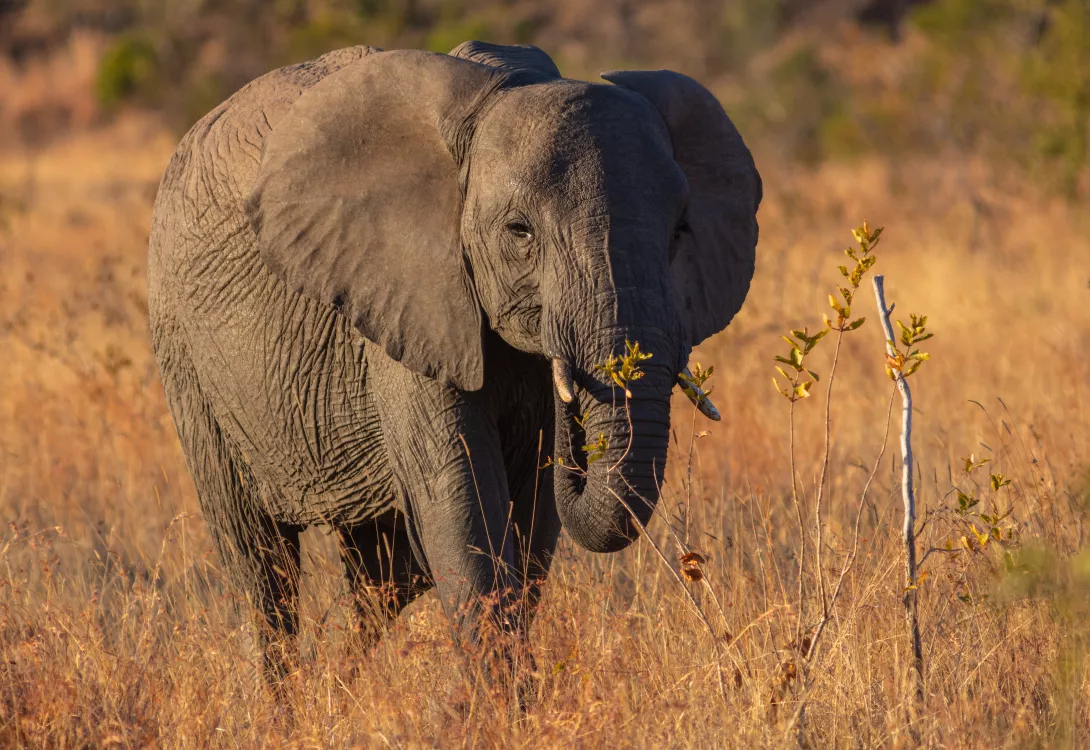
Africa remains one of the major pillars of international hunting. Safaris organized on the continent attract hunters from all over the world every year and represent a significant source of income for many wildlife management programs. However, the regulations governing this activity are constantly evolving and are the subject of sometimes intense debates between public authorities, scientists, conservation organizations, and hunting sector stakeholders. In South Africa, these discussions were recently revived by the announcement of new export quotas for certain iconic species, notably the elephant, black rhinoceros, and leopard, for the 2026 and 2027 seasons. These quotas, which determine the number of trophies that can be legally exported after a hunt, are a central element of the international hunting regulation system. Proponents of regulated hunting emphasize that revenues generated by safaris contribute directly to conservation. According to them, hunting fees and associated taxes fund the protection of natural habitats, anti-poaching programs, and development projects in rural communities living near wildlife areas. Conversely, some environmental advocates believe that increasing or extending quotas can damage the overall image of conservation policies. For these critics, trophy hunting remains difficult to reconcile with biodiversity protection goals, even when strictly regulated.